Wellness Travelers Spend 40% More Per Trip: How Hotels Can Capture This Market
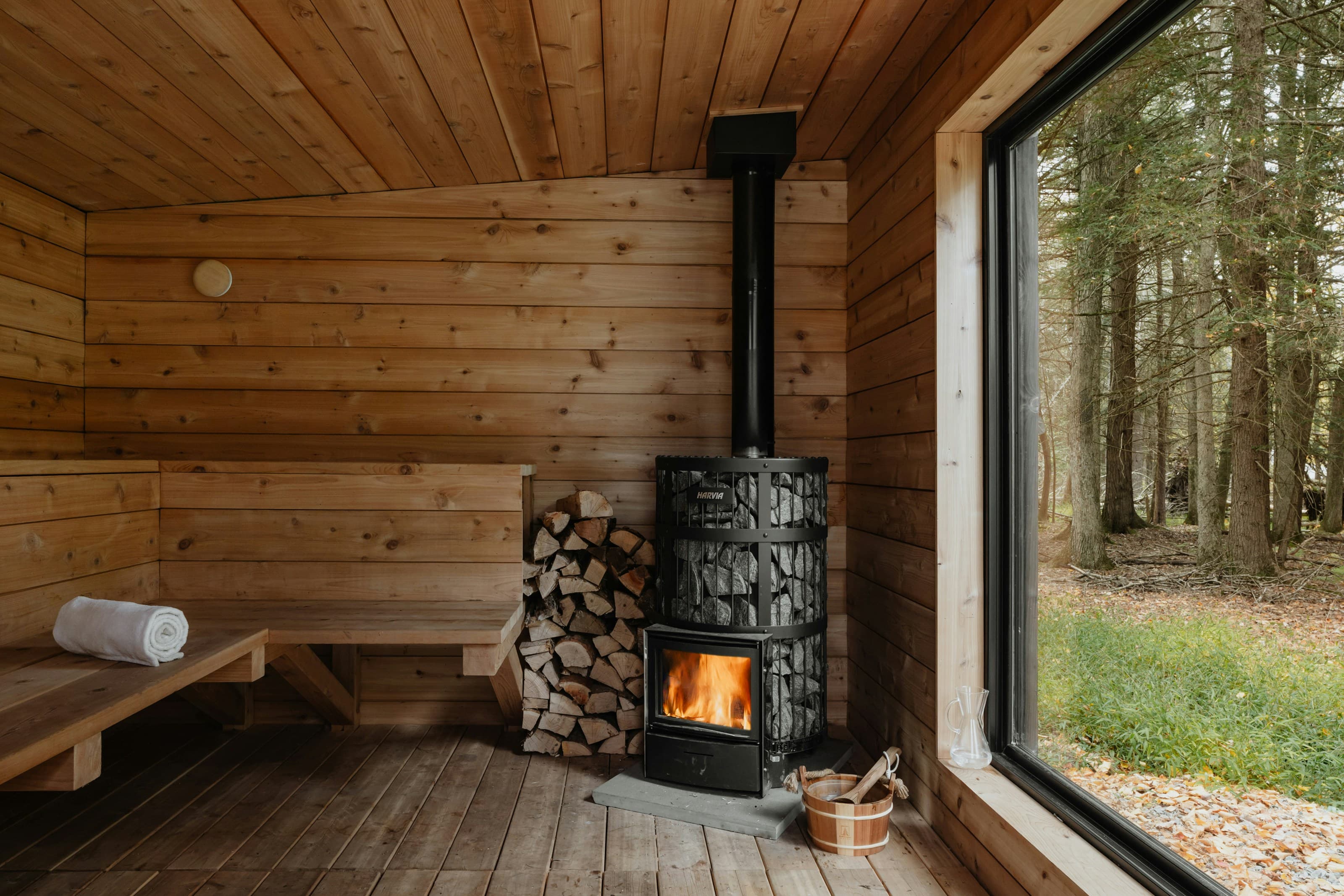
International wellness travelers spend roughly 41% more per trip than standard international tourists, according to the Global Wellness Institute's 2024 research. They stay longer, choose properties more deliberately, and return more often when the experience matches what they came for.
This is the high-value segment that OTAs struggle to serve well. Wellness travel decisions are driven by specificity: the quality of a spa program, the depth of a retreat offering, the credentials of practitioners, the food philosophy of the property. OTA listings rarely surface this level of detail. Hotels that present their wellness offering with genuine depth and structure, and reach wellness audiences through targeted digital channels, capture this segment at a significantly lower cost per direct booking than OTA-driven traffic produces. Partnering with a luxury hospitality marketing agency can accelerate this process considerably.
Who Is the Wellness Traveler and What Are They Looking For?
The wellness traveler in 2026 is not a niche audience. Wellness tourism is growing faster than general leisure travel, and the category has expanded well beyond spa weekends to include programs built around sleep optimization, longevity, functional medicine, mindfulness, and nutritional reset.
These guests research deeply before booking. They are reading about practitioner credentials, program structures, dietary accommodations, and what past guests experienced, not just browsing room photos. Your digital presence needs to provide the depth they are looking for, or they will find a property that does.
The purchase decision is often made weeks or months in advance, not in the last-minute window. Wellness travelers plan deliberately and are far more likely to book direct when they have found a property that meets their specific criteria, because they want to communicate directly about program details, dietary needs, and scheduling.
How Do You Build a Digital Presence That Attracts Wellness Travelers?
Content depth is the foundation. A spa page that lists treatment menus is not enough for this audience. Wellness travelers want to understand your program philosophy, your practitioners' qualifications, how your food offering supports a wellness stay, and what a typical day looks like.
Structured, question-led content, built around the specific questions wellness travelers ask, serves two purposes. It provides the depth that converts a wellness researcher into a direct booking inquiry. It is precisely the format that AI search tools draw from when travelers ask "what's the best wellness retreat hotel in Koh Samui?" or "which Bangkok hotels offer genuine detox programs?"
Blog content and guides focused on your destination's wellness credentials, including the quality of local organic produce, the therapeutic traditions of the region, and the specific expertise your practitioners bring, builds topical authority that compounds over time in both organic search and AI search results. A skilled luxury hospitality marketing agency can plan and execute this kind of content strategy across owned channels.
What Paid Channels Reach High-Value Wellness Audiences Most Effectively?
Meta advertising is the most precise paid channel for wellness audience targeting. Facebook and Instagram allow you to build audiences based on wellness interest signals, including yoga, meditation, organic food, functional fitness, and longevity, and layer those signals with travel behavior data, geographic origin, and income proxies that indicate the household budget required for premium wellness travel.
Lookalike audiences built from your existing wellness booker database are particularly effective. If your CRM includes data on past guests who booked wellness packages, a Meta lookalike audience modeled on those guests reaches cold audiences with similar characteristics at scale.
Google Display and Discovery campaigns targeting wellness content, including health publications, fitness platforms, and nutrition sites, place your property in front of high-value audiences during their wellness content consumption, not just during active hotel search. This builds brand associations between your property and the wellness category that influence hotel searches later in the research journey.
How Should Hotels Describe Their Wellness Offering to Convert Digital Browsers to Direct Bookers?
The gap between "we have a spa" and "we have a medically supervised sleep optimization program designed by [named practitioner]" is the gap between a wellness mention and a wellness conversion.
Specificity is what converts wellness travelers. Name your practitioners and describe their qualifications. Explain the science or tradition behind your program. Be honest about what your retreat delivers and what it does not. Wellness travelers who have been disappointed by overpromised experiences are particularly attentive to credibility signals.
Photography for wellness content should show program-specific experiences, including a specific treatment, a guided practice, and the preparation of a nutritional dish, not generic spa imagery that could belong to any property. The more specific your visual content, the more convincing it is to a guest who is comparing genuine wellness experiences.
Testimonials from past wellness guests, structured with specific program details and outcomes, outperform generic hotel reviews for this segment. Consider building a dedicated wellness guest story section on your website rather than relying solely on review platform aggregation.
What Role Does SEO Play in Reaching Wellness Travelers Before OTAs Do?
Wellness travel searches are highly specific. "Ayurvedic retreat Koh Samui," "sleep retreat Bangkok," and "yoga and meditation resort Thailand" are all queries poorly served by OTA search results, which aggregate broadly rather than surfacing program-specific depth.
A hotel with rich, specific wellness content can rank above OTA aggregators for these long-tail queries precisely because OTA listing pages cannot match the depth of a property's own program content. This is one of the clearest examples in hotel marketing where SEO investment directly competes with and beats OTA discovery.
FAQ content built around the specific questions wellness travelers ask, including "Is your wellness program suitable for first-time retreat guests?" and "What dietary accommodations do you offer for guests with food sensitivities?", captures both search traffic and AI search visibility, building a compounding direct booking pipeline from wellness-intent queries.
Frequently Asked Questions
What is the typical advance booking window for wellness travelers?
Wellness travelers book further in advance than standard leisure guests. The planning cycle for a dedicated wellness retreat or program is typically four to twelve weeks, with some high-value guests booking multi-week stays three to six months ahead. Marketing to this segment requires sustained presence across the research journey rather than purely short-window demand capture.
How do you measure the ROI of wellness-specific marketing campaigns?
Track wellness package bookings as a separate conversion in your analytics, distinct from standard room bookings, and calculate the cost per wellness booking by channel. Wellness guests typically have higher average booking values and longer stays than standard leisure guests, so the cost per booking can be higher while still delivering superior ROI. Average revenue per wellness guest stay is the cleaner benchmark than cost per booking alone.
Do wellness programs need to be extensive to attract wellness travelers?
No, but they need to be genuine. A property with a strong spa and a credible nutritional offering positioned honestly will attract wellness travelers more effectively than a property with an extensive program that cannot deliver on the promise. Wellness travelers research specifically and respond to authenticity. A smaller, more genuine offering, presented with depth and honesty, outperforms a larger but vague wellness claim.
How important are wellness certifications and accreditations for hotel marketing?
They matter significantly for credibility signaling, particularly with the high-value wellness traveler who is making a meaningful financial commitment to a retreat experience. If your program has earned recognition from relevant wellness bodies, or your practitioners hold specific qualifications, this information should be prominently presented and structured for both human readers and AI search indexing.
High-Spend Guests Are Looking for Genuine Wellness, Not Just a Spa Menu
The wellness traveler segment spends more, plans more carefully, and books more directly when they find a property that matches what they are looking for. The opportunity for hotels with authentic wellness programming is significant: an audience with higher spend per trip, longer average stays, and strong repeat visit potential if the experience delivers.
Building the digital presence to reach and convert that audience, through specific content, targeted paid social, and SEO for wellness-specific queries, is a direct investment in higher-value direct bookings at lower cost per acquisition.
If your property has a genuine wellness offering that is not yet translating into direct booking growth, the strategy is clear. The guests are searching. The question is whether they can find you before the OTAs find them first.
Sources
Global Wellness Institute, Global Wellness Economy Monitor, 2024