Why Hospitality Has the Lowest Meta CPC of Any Industry, and What That Means for Your Hotel
What’s the best digital marketing services for hotels and resorts that’s delivering the greatest returns? Look no further than Meta Ads.
Hospitality Meta CPC averages $0.63 per click. Finance pays $3.77. The overall industry average across all sectors is $1.72. Hotels are operating in the most cost-efficient paid social environment of any industry, and the majority are not running structured conversion campaigns to take advantage of it.
That is a direct booking problem with a straightforward solution. And if your property is not running Meta ads right now, it is worth understanding exactly how much that gap is costing you.
What Does $0.63 Per Click Actually Mean for a Hotel Running Meta Ads?
The numbers make the opportunity hard to ignore. At $0.63 per click, a $5,000 monthly Meta budget generates roughly 7,900 website visits from targeted audiences. Even at a conservative 2% conversion rate to direct booking, and WordStream data shows the Travel & Hospitality average is closer to 2.82% (WordStream Industry Benchmarks) - that works out to around 158 direct bookings per month.
Compare that to a finance brand running the same $5,000 budget at $3.77 per click. They get about 1,326 visits from the same spend. The hospitality CPC advantage is not marginal, it is a structural edge that compounds with volume.
The caveat, and this is an important one: cheap traffic does not convert itself. The CPC advantage is only valuable when paired with precise audience targeting, conversion-focused ad creative, and a booking engine that does not lose guests before they complete a reservation. Get those pieces right, though, and the math is genuinely compelling.
Why Are Hospitality CPCs So Much Lower Than Other Industries?
Meta's auction-based pricing reflects competition. Finance, technology, and retail brands compete aggressively for limited inventory on Meta's platforms: that bidding pressure drives prices up.
Hospitality, by contrast, has historically underinvested in structured Meta advertising. Many properties run occasional campaign bursts for promotions rather than sustained, always-on performance campaigns. That means less auction competition, which keeps CPCs low.
Here is the irony: the industry with the lowest CPC, and therefore the highest potential return on Meta ad spend, is the industry most likely to leave that traffic on the table. Properties that build consistent Meta campaigns now are competing in an auction that has not yet crowded out. That window will not stay open forever, but right now, the economics are heavily in your favor.
What Types of Meta Campaigns Actually Drive Hotel Direct Bookings?
Not all Meta advertising is equally effective at driving direct bookings. The campaigns that deliver the best cost per direct booking typically follow a structured funnel, and understanding how the layers work together is what separates a Meta strategy that performs from one that generates reach reports no one reads.
Top-of-funnel awareness campaigns (TOF)
TOF target cold audiences based on travel behavior, geographic origin, demographic profile, and interest signals. These campaigns build reach and drive first-visit traffic. At $0.63 CPC, you can build a significant audience scale without burning through budget, something most other industries cannot say.
Mid-funnel consideration campaigns (MOF)
MOF retarget visitors who have already shown interest - website visitors who did not book, video viewers who watched past a threshold, and lookalike audiences modeled on your existing direct booking customers. These audiences convert at significantly higher rates than cold traffic, and this is where your cost per direct booking starts to come down.
Bottom-of-funnel conversion campaigns (BOF)
BOF retarget visitors who reached your booking engine but did not complete a reservation. These are the highest-intent prospects in your entire pipeline. Reaching them with urgency-led creative: availability reminders, rate transparency, a clear booking CTA, captures bookings that would otherwise be lost to OTAs.
Running all three layers simultaneously, with consistent creative and clear conversion tracking, is what makes the difference. Any one layer on its own underperforms. Together, they compound.
How Do You Set Up Conversion Tracking Properly for Hotel Meta Ads?
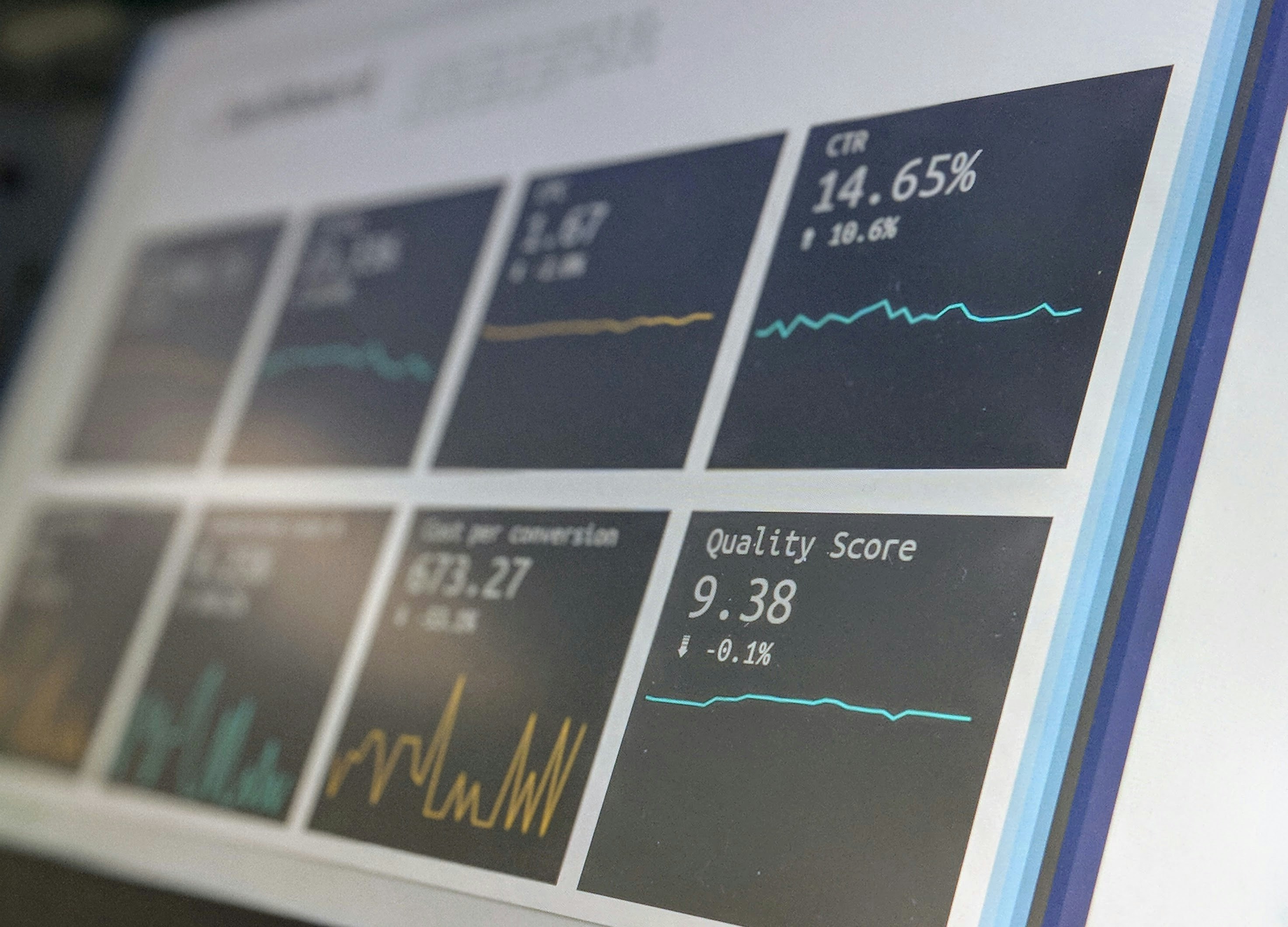
Conversion tracking is the most commonly skipped step in hotel Meta advertising - and the most expensive omission. Without it, you are essentially flying blind with your ad spend.
Here is why it matters so much: without proper conversion tracking, Meta's algorithm cannot learn which audiences are booking, which creatives are converting, or how to optimize delivery toward your actual goal. The algorithm optimizes toward whatever signal it has. If that signal is clicks, it delivers clicks. If it is bookings, it delivers bookings. The difference in results is enormous.
Setting this up correctly requires installing the Meta Pixel on your website and configuring a Purchase or Lead event that fires when a booking is confirmed on your booking engine. Some booking engines complicate this: particularly third-party platforms that host the final booking step on a separate domain. A hospitality-specific agency will know how to handle the attribution correctly, and it is one of the first things worth asking about when evaluating a partner.
Once conversion tracking is properly configured, Meta's Smart Bidding tools become significantly more powerful. The algorithm has the signal it needs to find your highest-value guests, and your cost per direct booking drops as the system learns.
What Creative Actually Works for Hotel Meta Ads in 2026?
Creative quality is the variable that most directly affects whether your $0.63 click turns into a direct booking. You can get the targeting and the funnel structure right, but if the creative does not stop the scroll, none of it matters.
The highest-performing hotel creative in paid social tends to be authentic rather than heavily produced. Real photography of your spaces, rooms, and experiences outperforms stock imagery consistently. Video content - even short, property-filmed walkthroughs shot on a phone - generates stronger engagement and lower CPM than static images in most hotel campaigns.
Specificity beats aspiration every time. "Wake up to this view" with a photo of your actual room outperforms a generic "luxury awaits" headline. Highlight what makes your property distinct - not what makes hotels in general appealing. If your rooftop pool has a specific city skyline behind it, show that. If your breakfast spread is genuinely impressive, photograph it well. Guests book properties, not categories.
Seasonal and contextual creative - content that reflects the time of year, a local event, or a specific guest occasion - delivers better relevance scores and lower CPCs than evergreen creative that runs unchanged for months. Test regularly. Running 2-3 creative variants per ad set, rotated and evaluated, consistently outperforms single-creative campaigns over a full quarter.
Frequently Asked Questions
How much should a hotel spend on Meta advertising to see meaningful results?
The minimum meaningful test is around $3,000 per month in ad spend, run consistently for at least 3 months. Below that threshold, the data volume needed to optimize targeting and creative is difficult to accumulate quickly enough. Properties with a stronger direct booking ambition and a higher average booking value can often justify $7,000 to $15,000 per month, particularly when full-funnel campaigns are running across awareness, retargeting, and conversion.
Should hotels use Facebook or Instagram for paid social campaigns?
Both: Meta's platform serves placements across Facebook, Instagram, Messenger, and the Audience Network from a single campaign. The algorithm distributes spend to whichever placement delivers your objective most efficiently. For most hotel campaigns, Instagram and Facebook Feed generate the strongest direct booking results. Do not manually restrict placements unless you have strong data showing one platform significantly outperforms the other for your specific property.
How long does it take for a hotel Meta campaign to optimize?
Meta's machine learning requires data to improve. A new campaign typically needs up to 2 weeks in the learning phase before optimization meaningfully kicks in. Avoid making significant changes - budget, targeting, creative - during this period, as each change restarts the learning process. By week 6-8 of a well-structured campaign, you should have a clear picture of your cost per direct booking from Meta.
Can hotels use Meta to target travelers in specific geographic markets?
Yes, and this is one of the most underused capabilities in hotel Meta advertising. You can target audiences by city, country, or radius with significant precision. For hotels with strong feeder markets - a Bangkok property targeting high-value Singapore and Hong Kong travelers, for example - geographic targeting allows you to concentrate where the highest-value guests originate. Pair geographic targeting with travel-behavior signals for the strongest audience quality.
The Structural Advantage Hotels Are Not Using
$0.63 per click. Hotels have the lowest Meta CPC of any industry and a proven path from paid social to direct booking through structured full-funnel campaigns.
The properties that build that infrastructure now - proper conversion tracking, layered funnel campaigns, tested creative - are the ones that will defend their direct booking margins as competition increases and CPCs inevitably rise.
If your property is not running a structured Meta strategy yet, the question worth asking is how many direct bookings you are losing to OTAs every month that a $0.63 click could have captured.
Looking to grow your hotel’s direct bookings? Schedule a free 30-minute consultation with us at Zanobe below.
[ Schedule a Call ]
Sources
WordStream Industry Benchmarks - Facebook Advertising CPC, CTR, CVR by Industry (original benchmark dataset, sample of 256 US accounts, $553K aggregate spend)
WordStream / LocaliQ - Facebook Ads Benchmarks 2025 (traffic and leads campaign data, September 2025 update)
Search Engine Land - "Facebook ad costs jump 21% in 2025, but still beat Google" (September 2025)